When to Plant Dahlia Tubers: Greenhouse to Bloom
Plant dahlia tubers in a frost-free greenhouse during March or early April. Use 2-3 litre pots and keep the compost only slightly moist until shoots appear. Harden plants off for 7-14 days before planting outside after the final frost. This usually means late May in southern Britain and early June in colder areas. Greenhouse-started plants can flower four to six weeks earlier than direct-planted tubers.
Key takeaways
- Start dormant tubers under glass in March or early April.
- Use 2-3 litre pots with free-draining, peat-free compost.
- Do not soak dormant tubers. Increase watering only after leafy growth appears.
- Pinch above a leaf pair at 25-40cm to encourage branching.
- Harden plants off for 7-14 days before their final move outside.
- Store lifted tubers dry and frost-free at 4-7°C through winter.
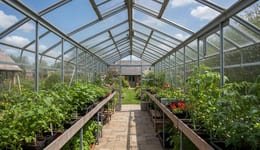
Browse greenhouses for early spring growing →
Expert Tip
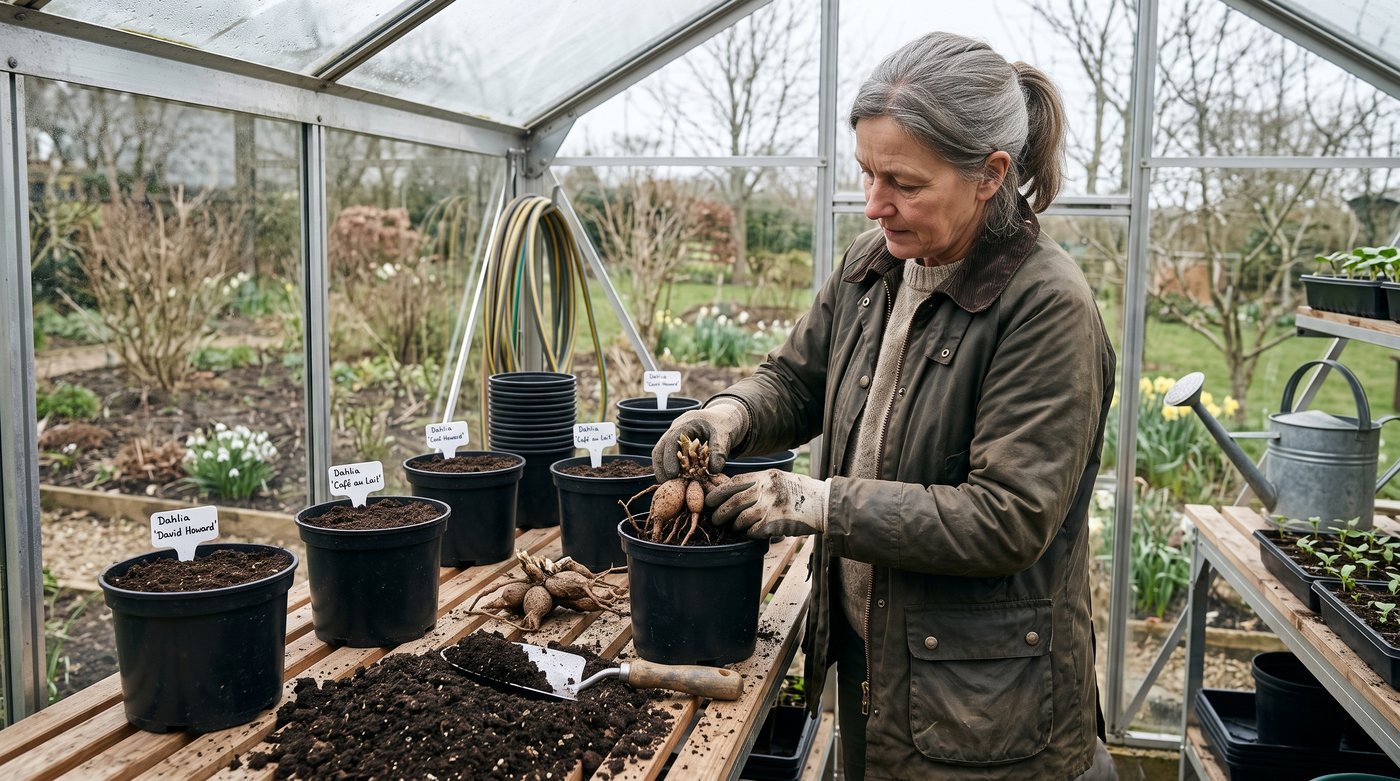
I pot about 30 dahlia tubers on greenhouse staging each March. They usually need two to five weeks to show shoots. The exact time varies by variety and storage condition. My greenhouse-started plants are established before direct-planted tubers emerge. They also reach flowering four to six weeks sooner in a normal Midlands season.
When to plant dahlia tubers in a greenhouse
March to early April is the safest UK window for starting dahlia tubers under glass.
The greenhouse must stay frost-free. It should also provide bright light once shoots appear. An unheated greenhouse works if nights remain above 5°C. Move pots indoors or add frost protection when colder weather is forecast.
Late March suits most gardens. Start during early March if you have dependable frost protection. Colder northern or exposed gardens can wait until early April. The aim is a stocky plant, not a tall greenhouse plant waiting weeks for safe planting weather.
You can plant dormant tubers directly outside during mid to late April. Keep their crowns just below soil level. Their shoots normally emerge after serious frost risk falls. This method uses less space, but flowering starts later.
How to tell if a dahlia tuber is viable
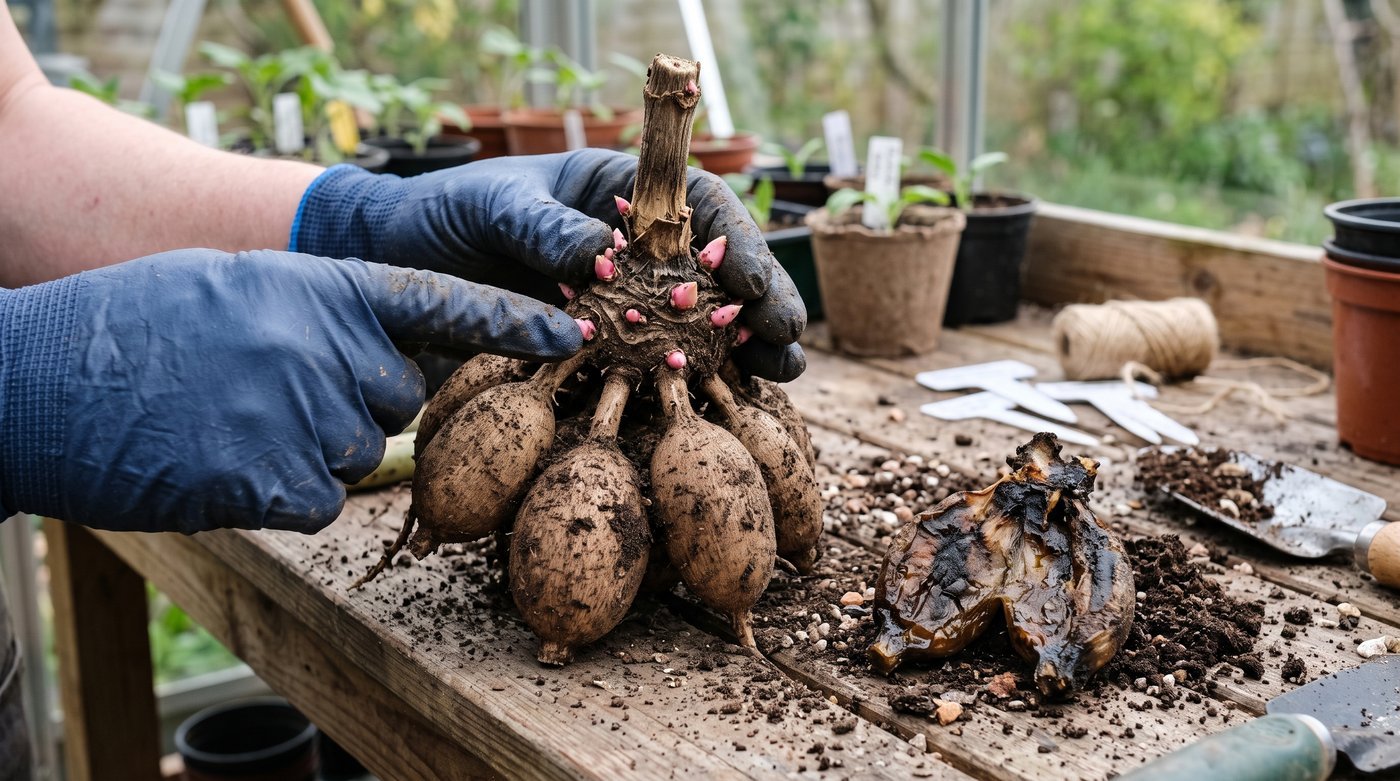
A viable dahlia division needs a firm tuber, an intact neck and part of the crown.
The eye sits on the crown, close to last year's stem. A detached tuber without crown tissue cannot sprout. Pink or pale green eyes are easy to spot once warmth wakes the clump.
Press each tuber gently. Healthy stored tubers feel firm or slightly wrinkled. Cut away any soft, wet or foul-smelling tissue with a clean knife. Discard clumps carrying extensive mould or rot. A shrivelled tuber may still grow if its neck and crown remain sound.
Divide large clumps only when each section has a visible eye. Dusting cuts is unnecessary. Let fresh cuts dry for several hours before potting.
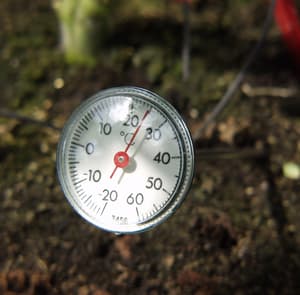
Check compost temperature with the Vitavia Soil Thermometer →
How to pot up dahlia tubers under glass
Pot dormant tubers with the old stem uppermost and the crown near the compost surface.
- Choose a clean 2-3 litre pot with open drainage holes.
- Use peat-free multipurpose compost with added grit or perlite.
- Place the tuber horizontally. Keep the old stem and crown uppermost.
- Cover the crown with about 2-5cm of compost.
- Label the variety before pots become difficult to distinguish.
- Water once, lightly. Let excess water drain away.
- Stand the pot in bright, frost-free conditions.
Do not treat a dormant tuber like an established plant. It has no active roots to use heavy watering. Cold, saturated compost removes air and encourages rot. Wait until shoots and roots develop before increasing water.
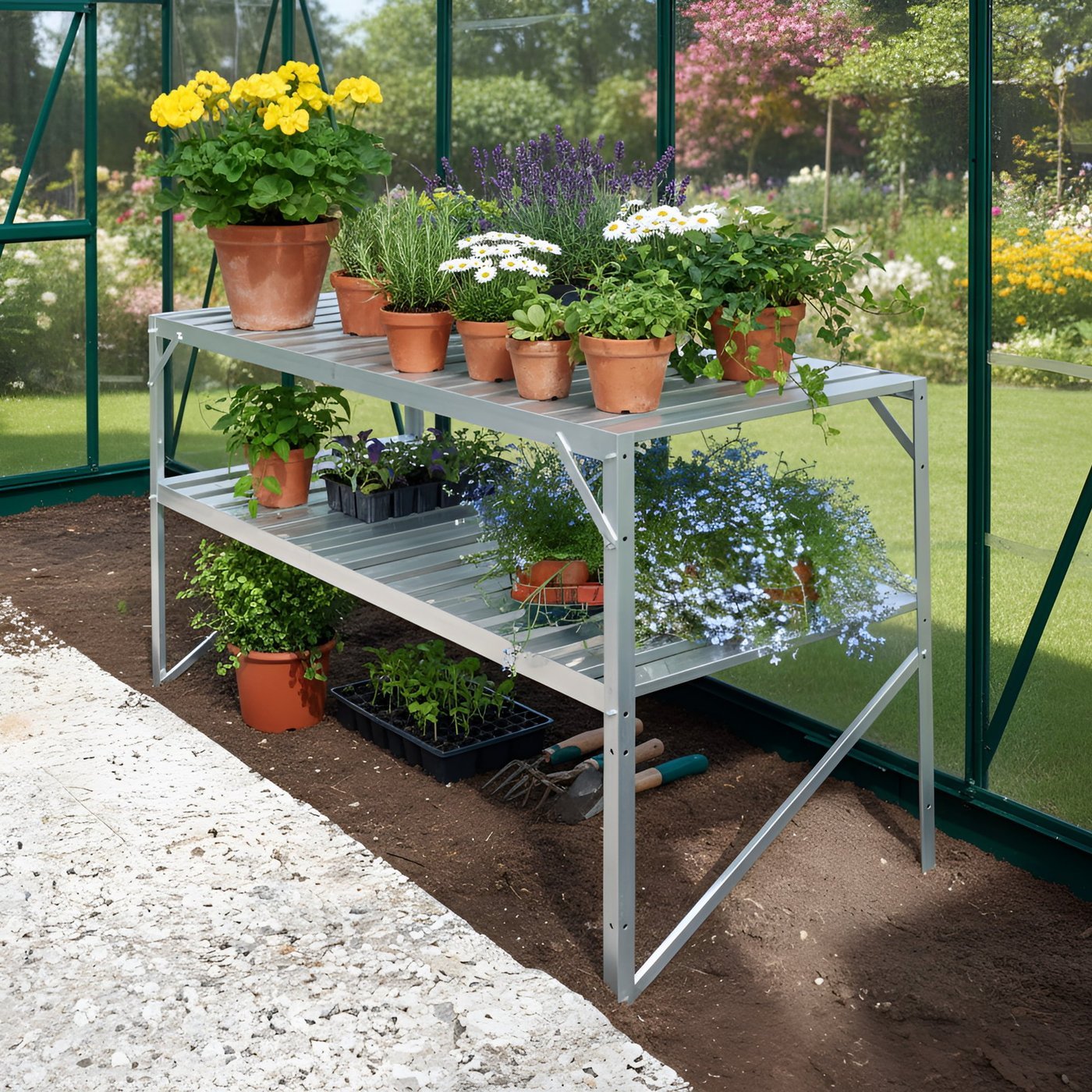
A 1.8m staging bench holds about twelve 3-litre pots with useful air gaps. Keep pots in one row where possible. This makes inspection easier and stops shoots leaning towards the glass.
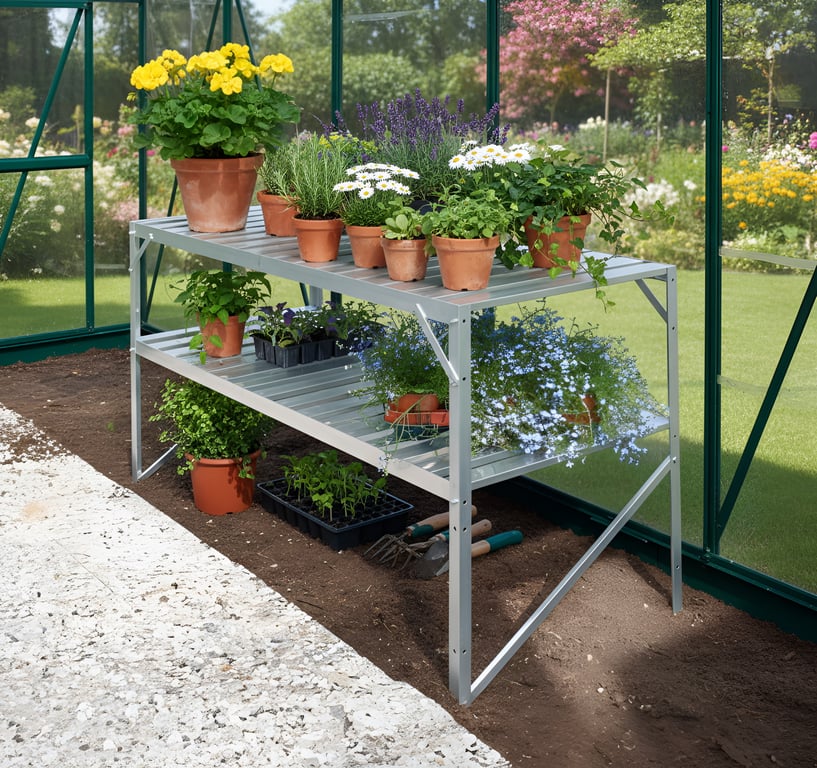
Buy Vitavia 2 Tier Silver Staging for £99 →
Dahlia tuber-to-bloom timeline
A greenhouse-started dahlia normally needs 14-18 weeks to move from potting to first flower.
Variety, stored condition, temperature and spring light all change that interval. Compact bedding dahlias often move faster than tall decorative types. Use plant stage as your main guide.
| Stage | Typical UK timing | What you should see | What to do |
|---|---|---|---|
| Inspect and divide | Late February to March | Firm tubers and visible crown eyes | Remove rot and separate viable divisions |
| Pot under glass | March to early April | Dormant crown near compost surface | Water lightly and keep frost-free |
| First shoots | 2-5 weeks after potting | Pink or green shoots | Increase light and turn pots regularly |
| Active growth | April | Several leaf pairs and new roots | Water when the top 20mm feels dry |
| Pinching | Late April to May | Plant reaches 25-40cm | Pinch above the third or fourth leaf pair |
| Hardening off | Early to late May | Stocky plant with firm leaves | Increase outdoor exposure over 7-14 days |
| Planting outside | Late May to early June | No frost forecast and mild nights | Plant at the same depth and add support |
| First flower | Late June to July | Coloured buds open | Start regular deadheading and feeding |
| Peak flowering | July to October | Repeated flushes of flowers | Water deeply and cut blooms often |
| Lift and dry | After the first hard frost | Blackened foliage | Cut back, lift and dry for 7-14 days |
| Winter storage | November to February | Dormant, dry tubers | Store at 4-7°C and check monthly |
The same controlled-start principle works for other dormant plants. Our greenhouse bulb-forcing timeline explains how temperature and timing move flowering dates.
What greenhouse temperature do dahlias need?
Keep newly potted dahlia tubers above 5°C and protect every shoot from frost.
Compost around 12-15°C encourages steady sprouting. Warmth above 18°C is unnecessary for most tubers. It can create soft growth when spring light remains weak. A heated propagator suits basal cuttings better than whole clumps.
Measure compost, not only greenhouse air. A sunny greenhouse can reach 20°C while a wet pot stays much colder. Open roof vents when daytime temperatures pass 20-22°C. Close them before a cold evening.
Matt's Installation Tip
Keep dahlia pots on staging, not on the greenhouse floor. Cold air settles low and wet floors chill compost. Leave 50-75mm between pots for airflow. I also place the slowest tubers on the warmer, brighter end of the bench.
Our greenhouse propagation guide covers bottom heat, dahlia basal cuttings and pot spacing in more detail.
When to pinch out dahlias
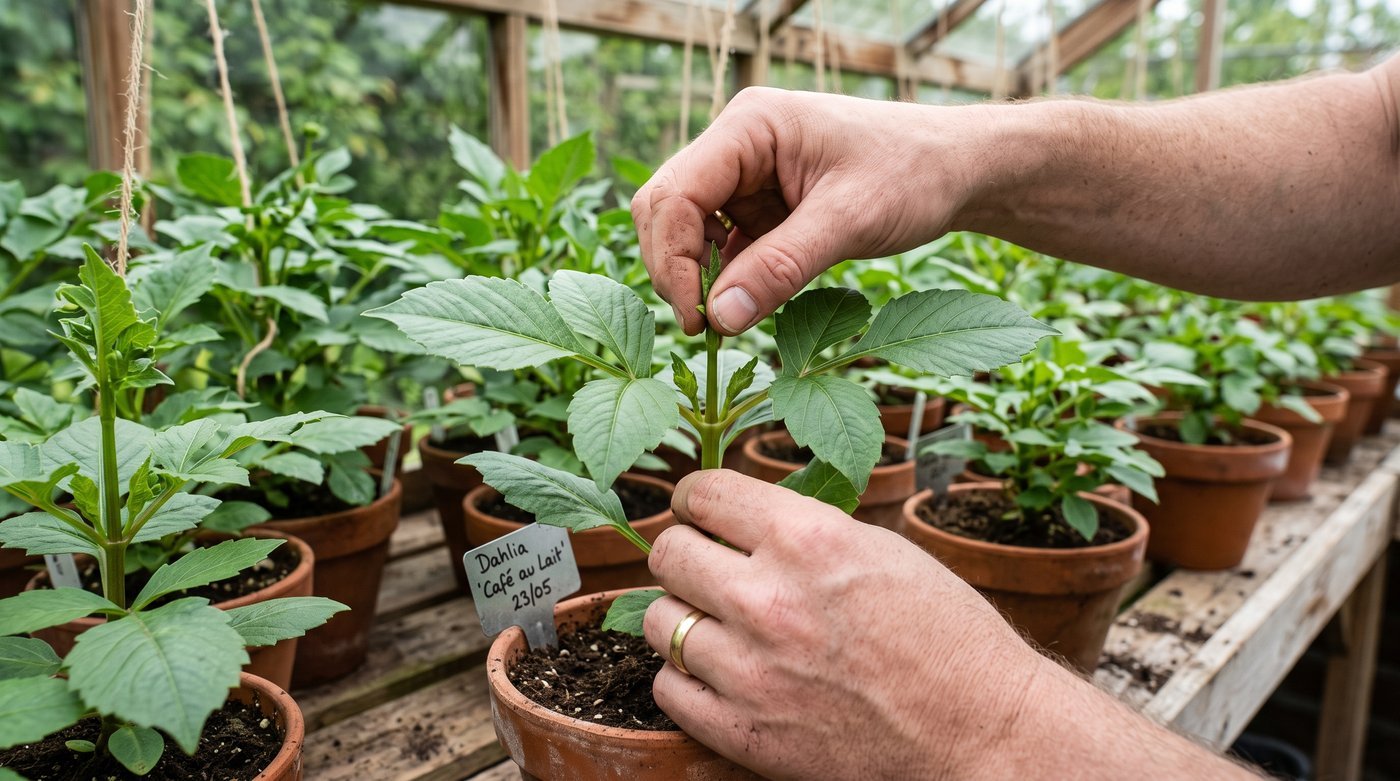
Pinch young dahlias once they reach 25-40cm and carry three or four leaf pairs.
Remove the central growing tip just above a strong leaf pair. The buds below that cut then form side shoots. This produces a broader plant with more flowering stems. Very compact bedding types may branch well without pinching.
Use clean fingers or disinfected snips. Do the job while stems remain soft. Delay pinching if the plant is weak, pale or recently damaged by cold. It needs enough leaf area to recover.
You can turn vigorous shoots into basal cuttings. Cut 7-10cm shoots close to the crown before stems become hollow. Root them in a free-draining mix under gentle bottom heat. Leave several shoots on the original tuber.
Browse useful greenhouse growing accessories →
Matt's Tip: Label before you pinch
Thirty young dahlia plants look remarkably similar in April. I label each pot before the first watering. Write the variety, height and flower colour. That small job prevents tall plants reaching the front of a border.
When to plant greenhouse-started dahlias outside
Plant dahlias outside only after your local frost risk has passed.
This is often late May across southern and central Britain. Colder northern, upland and exposed gardens may need early June. Check the forecast, but also check your own garden. Valleys and low corners can frost after nearby streets remain clear.
Harden plants off for 7-14 days. Start with two or three sheltered daytime hours. Extend exposure each day, then leave plants outside overnight during mild weather. Bring them back under glass when frost threatens.
Choose a sunny, sheltered site with fertile, free-draining soil. Space standard plants around 60cm apart. Install stakes at planting time for tall varieties. Driving stakes later can pierce the growing tuber clump.
Our staging and shelving guide shows how to organise spring pots without blocking light.
How to grow dahlias in pots
Compact dahlias grow well in containers at least 30-35cm wide and deep.
Larger cultivars need around 45-50cm of width and firm support. One standard dahlia per large container is enough. Crowding raises water demand and reduces airflow.
| Dahlia type | Typical height | Final pot | Support | Best use |
|---|---|---|---|---|
| Gallery series | 35-50cm | 30-35cm wide | Usually none | Patio pots |
| Mignon singles | 40-60cm | 30-35cm wide | Usually none | Pollinator pots |
| Pompom and ball | 60-100cm | 40-45cm wide | Short stake | Cut flowers |
| Decorative types | 90-120cm | 45-50cm wide | Firm stake | Borders or large pots |
| Giant decorative | 120-150cm | 50cm or wider | Strong stake | Sheltered borders |
Container compost dries quickly once leaves fill out. Water deeply when the top 20mm feels dry. Never leave a flowering pot standing in water.
How to feed, water and deadhead dahlias
Established dahlias need steady moisture and regular deadheading through their flowering season.
Water the soil rather than the leaves. Container plants may need daily water during hot weather. Border plants need a deep soak during dry spells. Irregular watering can check growth and spoil new buds.
Apply a balanced feed while plants build leaves. Change to a high-potassium liquid feed when flower buds form. Feed container plants every 10-14 days, following the product label. Stop feeding during September so plants can slow naturally.
Cut spent flowers back to the next side shoot. A pointed spent bud is easy to confuse with a rounded unopened bud. Regular cutting keeps the plant producing flowers until frost.
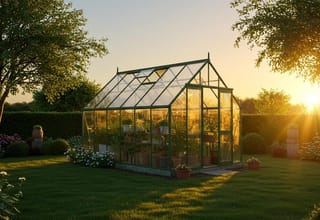
Browse aluminium greenhouses for an earlier growing season →
How to prevent slug damage on greenhouse-started dahlias
Protect soft dahlia shoots from slugs from the day they emerge.
Inspect beneath pots and staging each morning. Remove dead leaves, spilled compost and damp hiding places. Water early enough for surfaces to dry before night. Raise pots clear of the floor.
Greenhouse-started plants have one useful advantage. Their stems are larger before they meet outdoor slug pressure. However, one overnight attack can still remove every shoot from a small tuber.
Check crowns after damage. A sound tuber often produces another shoot. Reduce watering while you wait because the damaged plant uses less moisture.
How to overwinter dahlia tubers in a greenhouse
Lift dahlia tubers after frost blackens the leaves, then store them dry and frost-free.
- Cut stems back to about 10-15cm.
- Lift wide around the plant with a fork.
- Shake off loose soil without tearing the necks.
- Turn clumps upside down and dry them for 7-14 days.
- Pack dry clumps in shallow crates or boxes.
- Store them at 4-7°C with gentle air movement.
- Check monthly and remove any rotting tissue.
An unheated greenhouse may freeze, so it is not automatically safe storage. Use a max-min thermometer near the crates. Add frost protection or move tubers to a dry shed or garage when necessary.
Potted dahlias can remain in their containers. Cut them back, keep the compost almost dry and move pots under staging. Our greenhouse overwintering guide explains frost protection for tender plants and stored roots.
Useful greenhouse kit for starting dahlias
Staging and an accurate thermometer solve the two main greenhouse-starting problems.
Staging lifts pots into better light and away from the coldest air. A soil thermometer shows the compost temperature that the tuber experiences. Folding staging suits growers who need the floor space back for summer crops.
| Option | Key use | Price | Matt's verdict |
|---|---|---|---|
| Vitavia 2 Tier Silver Staging | Permanent spring pot bench | £99 | Matt's Pick for most 6ft-wide greenhouses |
| Vitavia Silver Folding Staging | Temporary spring bench | £75 | Useful when summer floor space matters |
| Palram Canopia 2 Tier Staging | Two-level pot storage | £79 | A practical fit for Palram houses |
| Vitavia Soil Thermometer | Compost temperature checks | £34 | Removes guesswork from cold spring pots |
|
Matt's Pick for starting dahlia tubersBest For: Keeping 2-3 litre pots in good spring light Why I Recommend It: I use two-tier staging for my own March potting run. The top is a practical working height. The lower shelf keeps labels, spare pots and compost tools clear of the floor. Price: £99 |
"I favour a simple dahlia setup: one clear staging run, clean pots and a thermometer. Thirty tubers fit without crowding. Good drainage matters more than expensive heating during March."
– Matt W, Greenhouse Stores
Frequently asked questions
When should I plant dahlia tubers in the UK?
Start tubers under glass in March or early April. Plant them outside after your final frost. This is usually late May or early June.
Can I start dahlia tubers in an unheated greenhouse?
Yes, provided the greenhouse remains frost-free. Move pots indoors or add protection whenever overnight temperatures may fall below 5°C.
What temperature do dahlia tubers need to sprout?
Compost around 12-15°C encourages steady sprouting. Keep tubers above 5°C and avoid excessive heat during weak spring light.
How long do dahlia tubers take to sprout?
Most tubers sprout within two to five weeks. Stored condition, variety, moisture and compost temperature all change the exact time.
When can greenhouse-grown dahlias go outside?
Plant out after local frost risk has passed. Harden plants off for 7-14 days before leaving them outside permanently.
Can dahlia tubers stay in a greenhouse over winter?
Only if the greenhouse keeps them dry and frost-free. Store tubers around 4-7°C and inspect them monthly for rot.